Short answer: Galvanized steel supply pipe was commonly used in homes built before the 1960s, and some homes built as late as 1980 may still have it, so a Bennett Woods ranch could have some. Warning signs include uneven water pressure, discolored or metallic-tasting water and rust at pipe joints. A plumber can confirm the material and advise whether to repair or repipe; HomeServe recommends replacing confirmed galvanized plumbing.
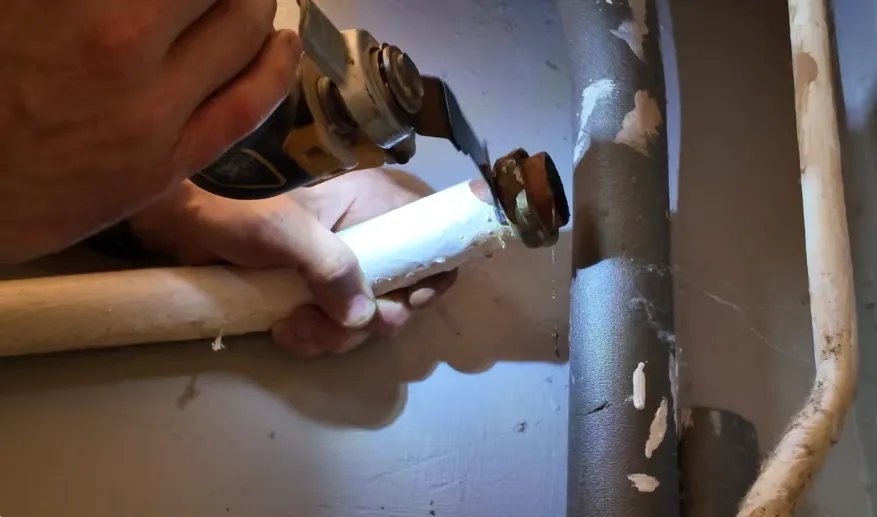
An older neighborhood, one pipe at a time
The City of Smyrna's neighborhoods page describes Bennett Woods as more than 300 homes, mostly brick ranches in a traditional suburban layout. They went up in the 1960s and 1970s, and our Bennett Woods and Cooper Lake page has the local background. Brick tends to outlast what is inside the walls, so after 50 years or more, the plumbing is often the part of the house that is due for attention.
How to tell if you have galvanized pipe
HomeServe's guide on galvanized plumbing says galvanized pipe is steel coated with zinc, and gives these checks:
- Look at the pipe. It often has a gray or metallic appearance.
- Scratch a painted section to see the color underneath.
- Use a strong magnet. It sticks to galvanized steel.
Good places to look are the crawl space or basement, near the water heater and where the supply line enters the house. If you are not sure, a plumber can confirm in a few minutes.
Why galvanized pipe fails
The zinc coating is meant to prevent rust, but HomeServe says it wears down over time, and hard water speeds that up. Once the coating is gone, the steel underneath corrodes. The guide notes that the rusting starts on the inside, so a pipe can look fine from the outside while it is narrowing and contaminating the water.
Warning signs to watch for
- Low or uneven pressure, where some taps are weaker than others, because corrosion and rust buildup restrict flow
- Discolored water, or water that tastes metallic and stains white porcelain
- Visible rust around joints and on pipes in basements or crawl spaces
HomeServe does not give a number of years that galvanized pipe lasts, so the condition of your pipe matters more than a date. If your water heater is also old, check its age too: Angi gives 8 to 12 years for a tank heater.
A real person answers 24 hours a day and tells you what to do first, before anyone comes out.
Your options
- Get an inspection. HomeServe recommends that owners of older homes have a plumber inspect the system yearly.
- Replace confirmed galvanized plumbing. The guide recommends this, and sooner if the symptoms above appear. It names PVC and PEX as modern alternatives.
- Time it with other work. If a kitchen or bathroom is being renovated, the guide suggests upgrading then, while walls are open.
- Ask for a written scope. A repipe plan should say which lines are replaced, how walls will be opened and repaired, and what permits apply.
Many ranches sit over a crawl space or basement, which can give plumbers access from below. Ask whether yours does, since it can change how disruptive a repipe is. Our pipe repair and repiping page explains the process.
Do not forget the rest of the system
- The sewer lateral. Homes of this age can have an older line outside. A camera shows its condition. See our guide on tree roots in sewer lines.
- Crawl space pipes in a freeze. Exposed pipes can freeze in a hard cold snap. See our frozen pipes guide.
- Shutoff valves. Old valves that have not been turned in years can fail when you need them. Test yours once a year.
Buying or selling a ranch in Bennett Woods
If you are buying, ask what the supply lines are made of and whether any were replaced. If you are selling, knowing the answer before listing avoids surprises during inspection. Either way, a plumbing inspection with a magnet test, a look at the water heater and a sewer camera gives a clear picture.
Sources

Written and reviewed by Alex, a Smyrna local with an MBA who researches and edits every page on this site, citing official and published sources. Published November 3, 2026.
Plumbing work is performed by independent, licensed Georgia plumbers. General information, not legal or insurance advice.
 Renovating a mid-century ranch